If you have ever dreamed about owning a home with real architectural character, Windsor Square likely checks a lot of boxes. The neighborhood offers a rare mix of historic charm, mature streetscape details, and homes that do not all look the same, but buying here also comes with extra layers of due diligence. If you are considering a historic home in Windsor Square, this guide will help you understand what to look for, what questions to ask, and how to plan your next steps with confidence. Let’s dive in.
Why Windsor Square Stands Out
Windsor Square is one of Phoenix’s recognized historic districts, located near Central Avenue and Camelback Road. According to the City of Phoenix, the district includes 260 properties and was originally platted in 1929, with a period of significance from 1920 to 1950.
Part of what makes the area feel special is the original subdivision design. Curving streets, irregular lots, sidewalks, curbs, ornamental street lighting, flood irrigation, and a small central park all help shape the neighborhood’s character today. That larger streetscape matters just as much as any one house.
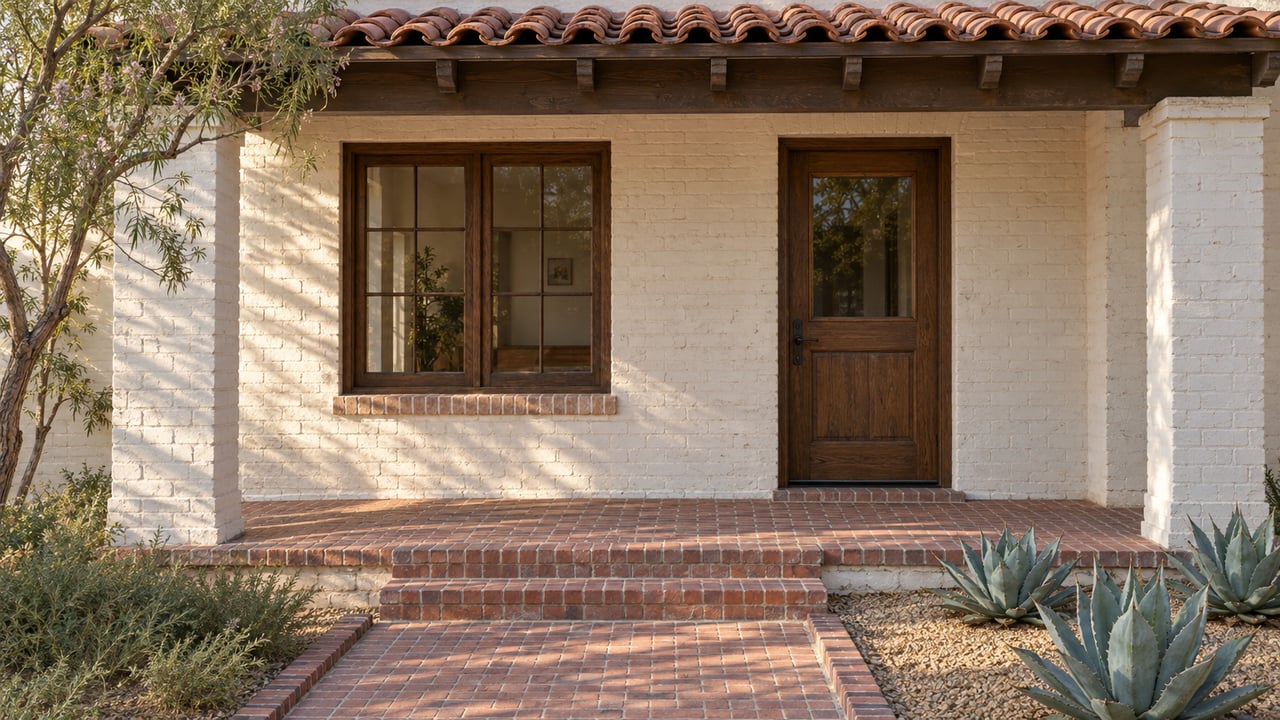
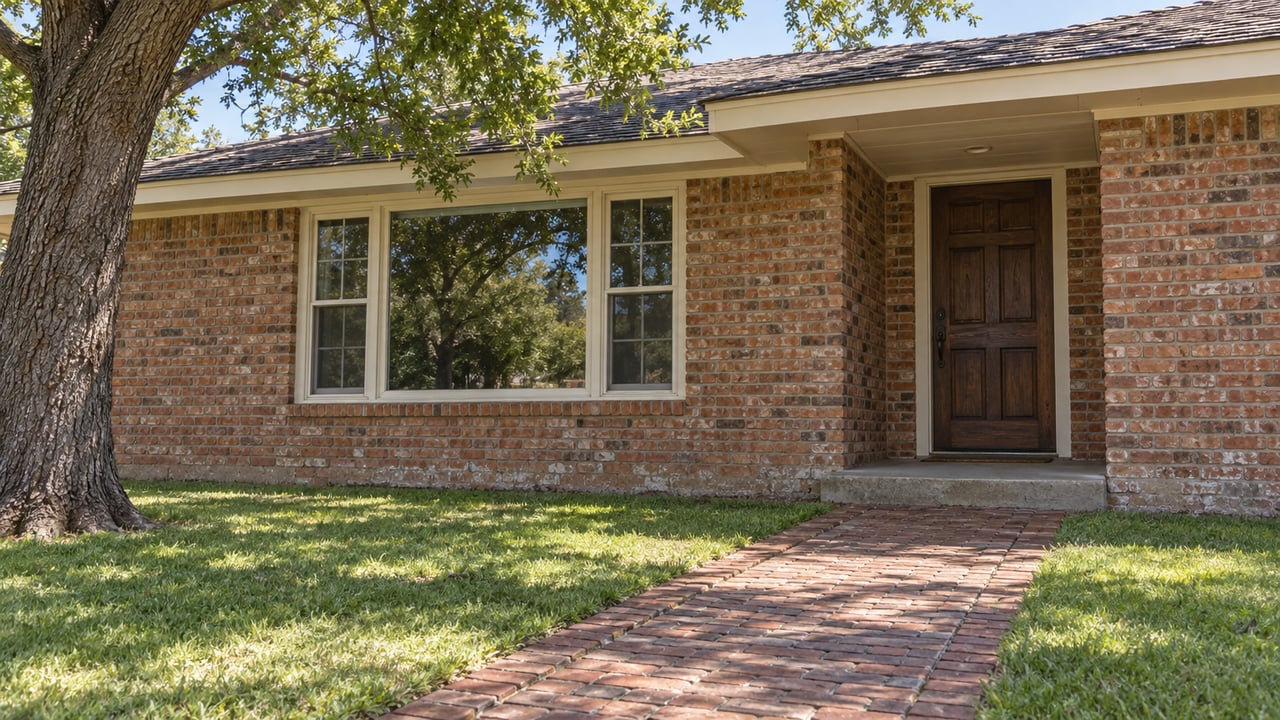
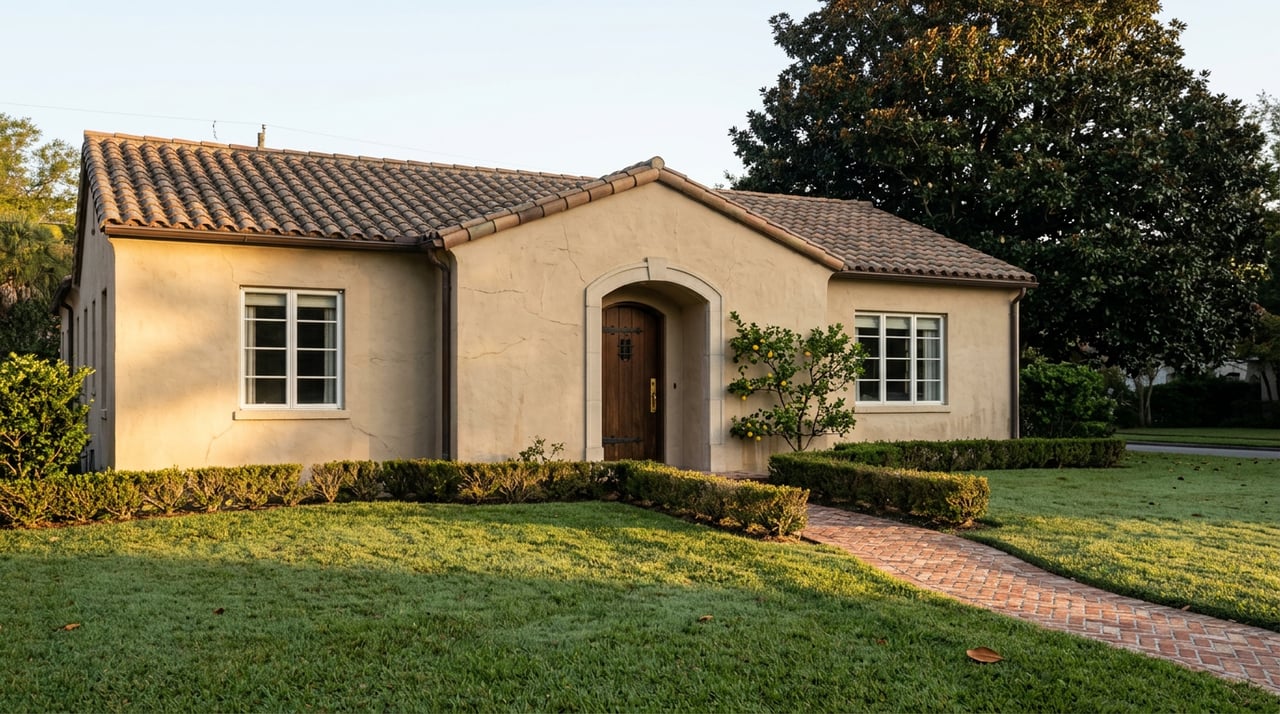
Architecturally, Windsor Square has variety. Phoenix notes that 178 of the 260 homes are ranch variations, especially from the late 1940s, while earlier homes include Spanish Colonial, Pueblo, English Tudor or Cottage, French Provincial, California, and American Colonial styles, plus a smaller number of International Style and Southwestern homes.
For you as a buyer, that means you can find a home with real personality while still buying into a cohesive historic setting. Two homes on the same block may feel very different, even when the street itself feels visually connected.
Historic Status Affects Ownership
One of the first things to understand is that buying a historic home is not only about age. In Phoenix, historic integrity also matters. The city evaluates integrity through location, design, setting, materials, workmanship, feeling, and association.
In plain terms, a house may be old, but major changes over time can affect how the property is viewed from a preservation standpoint. If a home has lost too much of its original character, that can matter when future work is reviewed.
You should also confirm whether the property is actually inside the historic district or simply nearby. Phoenix recommends checking the Historic Property Register and the property’s zoning suffix, including whether it carries HP or HP-L overlay zoning.
What Changes May Need City Review
This is where many buyers are surprised. In Phoenix, properties on the Historic Property Register and properties within historic districts are subject to exterior-design review and demolition review.
That means exterior projects may need city review before permits are issued. Facade changes, additions, visible window work, roofing changes, fences, and other exterior alterations can fall into that process.
For smaller projects, a Certificate of No Effect may apply. For more involved work, a Certificate of Appropriateness is generally required. If you already know you want to remodel, it is smart to learn the review path before you close.
The good news is that not every task triggers approval. Ordinary maintenance, such as painting, or in-kind repair and replacement that does not change design or materials, generally does not require permission unless a conservation easement adds more restrictions.
How Phoenix Views Good Historic Updates
Phoenix’s guidelines strongly favor preservation over replacement. The city encourages owners to retain original materials whenever possible and repair damaged features rather than remove them.
If you are thinking about an addition, the city generally prefers it to be placed at the rear and remain subordinate to the original home. New work should fit the property without creating a false sense of history.
Exterior materials are especially important. The city says original brick, stucco, or wood siding should be repaired and retained, and replacing them with a different siding material can significantly detract from historic integrity.
Roofing and visible equipment matter too. Original roofing should generally be replaced in kind, and exterior equipment should be placed in the least visible location possible.
What to Focus On During Inspections
A historic-home inspection in Windsor Square should go beyond the standard checklist. You want to pay close attention to the items most likely to affect both cost and preservation decisions.
Start with the roof and drainage. Phoenix’s guidance points to roofing retention or in-kind replacement, and it also stresses correcting drainage issues through solutions like re-grading, downspouts, and splash blocks.
Next, take a hard look at windows. The city advises against changing the pattern of original windows and warns against replacing true divided-light windows with simulated divided-light versions. If windows have already been changed, that is worth understanding before you buy.
You should also study exterior materials and past alterations. Look for patched stucco, replaced siding, altered brick, enclosed porches, or additions that may or may not align with city guidelines.
Here are some of the biggest inspection and due-diligence priorities:
- Roof condition and remaining life
- Drainage and water runoff around the structure
- Original windows and any visible replacements
- Brick, stucco, or wood siding condition
- Additions and whether they appear subordinate to the original house
- HVAC efficiency and overall comfort strategy
- Lead-safe painting concerns for older homes
Lead Paint and Older Home Risks
Because many Windsor Square homes were built before 1978, lead-based paint should be part of your planning. The EPA says homes built before 1978 are more likely to contain lead-based paint, and renovation or repair work can create dangerous lead dust if lead-safe practices are not used.
That does not mean every older home is unsafe or that you should avoid buying one. It does mean you should go in informed, especially if you are planning sanding, scraping, repairs, or larger renovation work soon after closing.
Energy Efficiency Without Losing Character
A lot of buyers assume the fastest path to comfort is replacing original windows or removing older features. In a historic home, that is not always the best first move.
Phoenix recommends starting with an energy audit before replacing historic features. The city’s guidance emphasizes lower-impact improvements such as air sealing, weather-stripping, HVAC efficiency, shading, limited insulation placement, and repair or weatherization of existing windows and doors.
That approach can be especially helpful in a neighborhood like Windsor Square, where original materials and details contribute to the home’s identity. In many cases, existing windows can be repaired or weatherized rather than replaced.
Research the Home’s Paper Trail
Before you commit, it helps to understand what has already happened to the house. Phoenix recommends researching building permits, title deeds, maps, aerial photos, newspapers, city directories, tax appraisal records, and archival sources.
That paper trail can reveal whether exterior work was permitted, when additions were made, and how much original fabric may still remain. It can also help you spot gaps between what a home looks like today and what may have been approved in the past.
This step is especially important if the home has been remodeled more than once. A polished finish does not always tell you whether the work aligns with preservation expectations.
Tax Benefits and Grant Questions
Historic homes can come with incentives, but buyers need to understand what applies and what does not. One common point of confusion is the federal 20% historic rehabilitation tax credit.
That federal credit is generally for income-producing buildings, not owner-occupied residences. If you are buying the home as your private residence, that credit usually does not apply.
Arizona does offer a possible benefit for certain properties. According to Arizona SHPO, residential, non-income-producing properties listed in the National Register are eligible for a property-tax reduction.
Phoenix also offers an Exterior Rehabilitation Grant Program for eligible historic homes in city-designated historic districts or on the city register. The program reimburses approved exterior work on a 50/50 matching basis, with grants between $5,000 and $20,000 per project, and it requires the owner to sell the city a conservation easement.
That last point matters. If a property has received a city preservation grant in the past, ask whether a conservation easement already runs with the home, because that can add review requirements for future work.
Financing Still Depends on Condition
Historic character does not cancel out lender expectations. Condition still matters.
HUD says FHA appraisals consider both value and property acceptability, and Fannie Mae also uses appraisals to evaluate condition and marketability. In practical terms, deferred maintenance, visible deterioration, or unfinished repairs can affect financing even if the home is historically significant.
If you are buying a property that needs work, it is worth discussing the condition early with your lender and inspector. That can help you avoid surprises during appraisal or underwriting.
Questions to Answer Before You Buy
If you are serious about a Windsor Square purchase, try to answer these questions before you remove contingencies:
- Is the property inside the official historic district or only near it?
- Does it have
HPorHP-Loverlay zoning? - What original features still remain?
- Which features have already been replaced or altered?
- Has the property ever received a preservation grant?
- Is there a conservation easement on title?
- What exterior work has already been permitted?
- Which big-ticket repairs are most likely to need attention first?
The more clarity you have up front, the better you can balance charm, budget, and future plans. Historic homes can be deeply rewarding to own, but they are easiest to enjoy when you understand the rules and responsibilities before you buy.
If you are considering buying in Windsor Square, having a local team that understands Central Phoenix architecture, historic district nuances, and the practical side of due diligence can make the process much smoother. When you are ready to talk through neighborhoods, property fit, or your buying strategy, connect with The Caniglia Group.
FAQs
What makes Windsor Square a historic neighborhood in Phoenix?
- Windsor Square is a Phoenix historic district with 260 properties, originally platted in 1929, and recognized for its 1920 to 1950 period of significance, distinctive streetscape design, and mix of historic home styles.
What exterior changes to a Windsor Square historic home may need review?
- In Phoenix historic districts, exterior changes such as facade updates, additions, visible window work, roofing changes, fences, and some other alterations may require city review before permits are issued.
What should buyers inspect first in a Windsor Square historic home?
- Buyers should closely review the roof, drainage, windows, exterior materials, prior additions, HVAC efficiency, and any lead-safe painting concerns tied to the home’s age.
Do owner-occupied historic homes in Windsor Square qualify for the federal rehab tax credit?
- Generally no, because the federal 20% historic rehabilitation tax credit is for income-producing buildings rather than private owner-occupied residences.
Can a Windsor Square historic home have extra restrictions from a past grant?
- Yes, if the home previously received a city preservation grant, it may have a conservation easement that adds review requirements for future exterior work.