Wondering how to sell your current home and buy the next one without ending up stressed, rushed, or temporarily homeless? If you are planning a move in North Central Phoenix, that concern is completely valid. The good news is that a thoughtful plan can give you more control, especially in 85012, where the market pace may offer a little more flexibility than a fast-moving seller's market. Let’s dive in.
Understand the 85012 market pace
If you are planning a sell-and-buy move, timing starts with the local market. In May 2026, Redfin reported a median sale price of $464,862 in 85012, with 73 days on market and 42 homes sold. The same report described the ZIP code as not very competitive, with multiple offers rare and homes selling about 5% below list price on average.
That matters because your options may be wider here than in a highly competitive market. A slower pace can make it easier to explore a contingent offer, negotiate dates, or create a backup plan. At the same time, it also means your current home may take longer to sell if pricing or preparation is off.
Phoenix overall moved a bit faster in the same period. Redfin showed a citywide median sale price of $463,967 and 51 days on market, while ShowingTime and ARMLS reported 74 days to offer acceptance for Phoenix single-family homes with 4.0 months of supply in May 2026. In other words, 85012 is not frozen, but it does reward careful strategy.
Price and prep matter in 85012
One of the biggest mistakes in a sell-and-buy move is treating the ZIP code like one single market. In 85012, recent sales ranged from a condo at $260,000 to a North Central home at $1.679 million. That kind of spread shows why your home’s type, condition, updates, and presentation all affect timing and price.
If you need your sale to help fund your purchase, your listing strategy needs to be especially sharp. A polished launch, realistic pricing, and clear positioning can help you avoid delays that throw off the purchase side of your move. This is where local, property-specific guidance becomes much more useful than broad market averages.
Start with your real budget
Before you decide whether to sell first or buy first, look at your cash position honestly. The Consumer Financial Protection Bureau says households should budget for new and changed expenses, keep an emergency cushion of three to six months, and remember that closing costs typically run 2% to 5% of the purchase price.
That framework is important when you are juggling two transactions. Even if the numbers work on paper, the right plan depends on whether you can comfortably handle overlap, moving costs, inspection expenses, and normal life at the same time. A move feels much smoother when your budget leaves room for surprises.
Option 1: Sell first for more certainty
For many homeowners, selling first is the most conservative path. It reduces the chance of carrying two housing payments and gives you a clearer picture of your available proceeds before you shop for the next home.
This approach can be a strong fit if your cash reserves are limited or if you do not want the stress of owning two homes at once. It also lets you move into the buying process with a firmer budget, which can make decision-making easier. The tradeoff is that you may need temporary housing or a rent-back if your next home is not ready in time.
When selling first makes sense
A sell-first plan may be worth serious consideration if:
- You need proceeds from your current home for the next down payment
- You want to avoid overlapping mortgage payments
- You prefer lower financial risk
- You are open to a short-term rental or flexible move schedule
In 85012, this route can work well because the market is not especially competitive. You may have a bit more room to negotiate the purchase side once your current home is under contract or closed.
Option 2: Buy first with a home-sale contingency
A buy-first strategy can feel more comfortable emotionally because you secure the next home before leaving the current one. One common way to do that is with a home-sale contingency, which means your purchase can close only if your current home sells by a certain date.
In a very hot market, sellers often reject these offers because they prefer fewer conditions. In 85012, the slower pace makes this option more realistic, since multiple offers are rare and the ZIP code is not very competitive. Still, it remains a negotiation, and sellers may favor cleaner offers or accept backup positions.
What helps a contingent offer compete
If you want to buy first with a contingency, the rest of your offer should be as strong and clean as possible. That may include solid pricing, clear timelines, and strong loan preparation. In a balanced or slower market, details like these can make a meaningful difference.
You should also remember that a pending property may still accept backup offers. That means timing and communication matter on both sides of your move.
Option 3: Use bridge financing carefully
Bridge financing is another tool for homeowners who want to buy before selling. CFPB Regulation C describes bridge or swing loans as temporary financing designed to be replaced by permanent financing later, including situations where the loan is repaid with proceeds from the sale of the existing home.
This can create flexibility, but it is not a casual decision. Fannie Mae says a bridge loan can be an acceptable source of funds if it is not cross-collateralized against the new property and the lender documents that the borrower can carry the current home, the new home, the bridge loan, and other obligations.
When bridge financing may fit
Bridge financing may be worth exploring if:
- You have strong income and reserves
- You have substantial equity in your current home
- You want to move quickly on a purchase
- You are comfortable with short-term financing costs and risk
This is usually best for households that can tolerate some overlap. If carrying both homes would stretch you too thin, another approach may offer more peace of mind.
Option 4: Create a timing buffer
Sometimes the smartest plan is not about financing at all. It is about building a buffer between transactions. If your closing dates do not line up, a rent-back, leaseback, or temporary rental can give you breathing room.
Fannie Mae defines a rent-back credit as payment to the seller for staying in the home after closing. It also notes that this credit cannot be counted toward closing costs, down payment, or reserves when qualifying the buyer. In practical terms, that means a rent-back can help with logistics, but it does not solve every financing issue.
A short-term rental can also be a useful fallback if neither a bridge loan nor a rent-back works. It may not be your ideal scenario, but it can lower pressure and give you more control over your next purchase decision.
Keep Arizona deadlines in sync
In a dual move, contract timing matters just as much as market timing. The Arizona Department of Real Estate advises buyers to read the seller’s property disclosure report and purchase contract carefully to identify deadlines for challenging disclosures or completing inspections. It also recommends termite and professional home inspections and notes that the seller’s broker does not represent the buyer.
For a sell-and-buy move, the inspection window is especially important. If concerns come up on the purchase side, that period may provide a way to step back before your two transactions become too tangled.
The CFPB also notes that if a purchase contract is contingent on a satisfactory inspection, the buyer can cancel without penalty if the inspection is unsatisfactory. It further says the lender must send the Closing Disclosure at least three business days before closing, the final walk-through should happen before signing, and closing is when the documents become legally binding.
Timing checkpoints to watch
As you coordinate both sides of your move, pay close attention to:
- Listing preparation and launch timing
- Offer acceptance dates
- Inspection periods
- Disclosure review deadlines
- Loan approval milestones
- The three-business-day Closing Disclosure rule
- Final walk-through timing
- Possession dates after closing
When these dates are planned together, your move is usually much calmer. When they are treated as separate tracks, surprises are more likely.
Build your sale, purchase, and backup plan together
The biggest takeaway for 85012 homeowners is simple. Your sale strategy, purchase strategy, and fallback plan should all be built at the same time. That is especially true in North Central Phoenix, where the market may give you flexibility, but not a free pass.
A strong plan usually includes three decisions from the start:
- How you want to sequence the move
- What budget and risk level feel comfortable for your household
- What your backup housing plan will be if dates shift
That kind of planning can help you avoid rushed decisions, weak negotiations, or pressure to accept terms that do not really work for you.
Why local strategy matters in North Central Phoenix
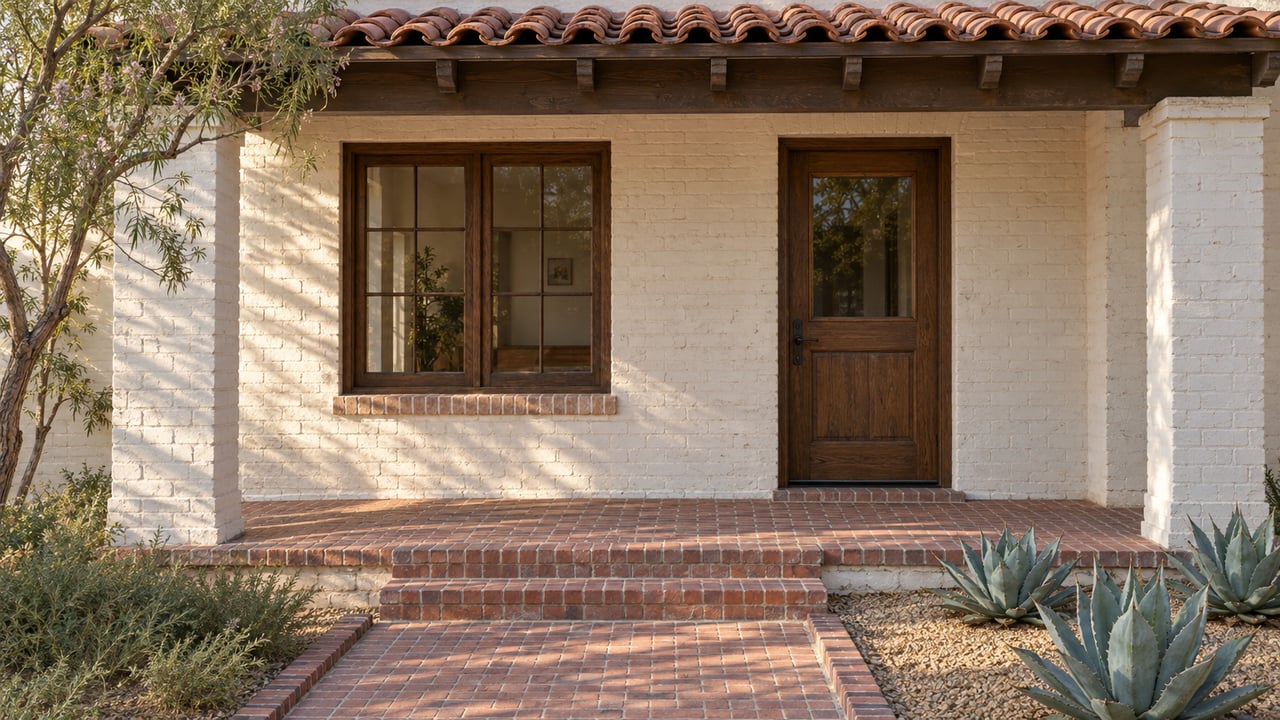
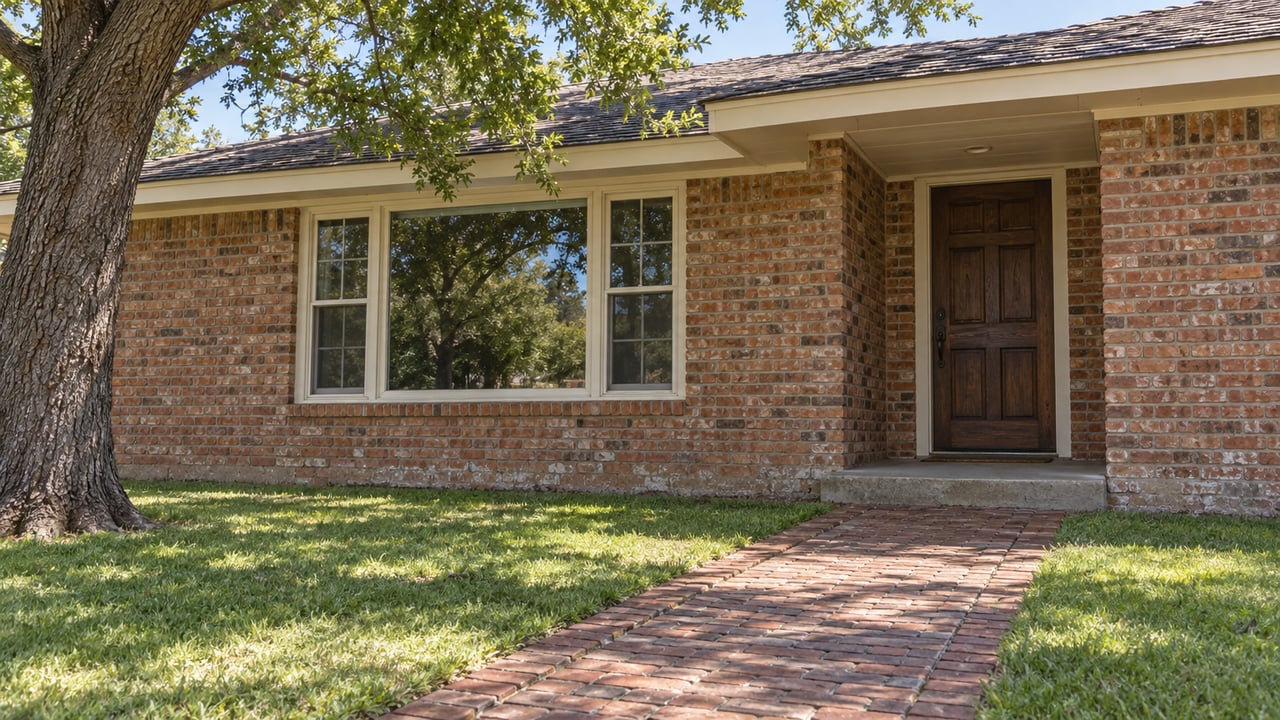
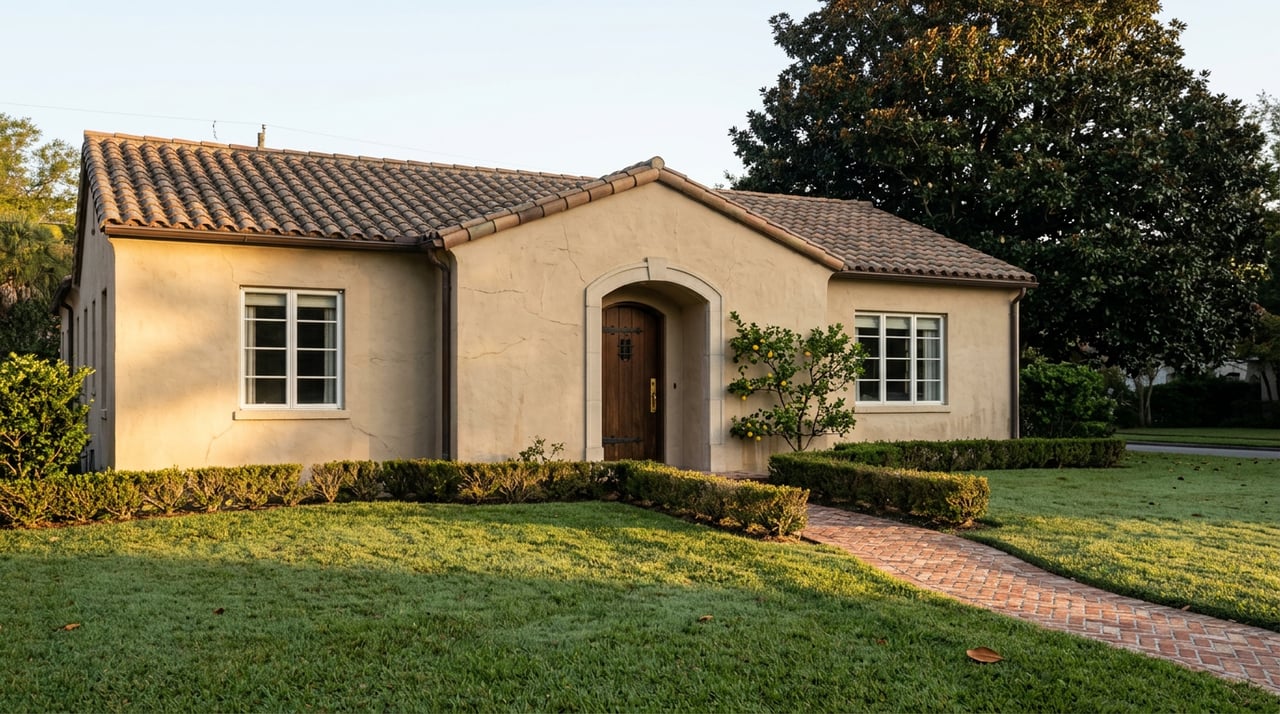
North Central Phoenix is not one-size-fits-all. Condo sellers, ranch-home owners, historic-home owners, and move-up buyers can all face different timing and pricing dynamics, even within the same ZIP code.
That is why local guidance matters so much in a sell-and-buy move. You need a strategy that reflects your home, your budget, your timing goals, and the current pace of the specific market you are entering and leaving. In 85012, that tailored approach often makes the difference between a stressful transition and a confident one.
If you are planning a sell-and-buy move in North Central Phoenix, working with a team that understands local pricing, preparation, negotiation, and timing can help you make each step feel more manageable. To talk through your options, connect with The Caniglia Group.
FAQs
Should homeowners in 85012 sell first or buy first?
- It depends on your cash reserves, tolerance for overlapping payments, and whether tools like bridge financing or a temporary housing plan are realistic for you.
Can buyers use a home-sale contingency in North Central Phoenix?
- Yes, a home-sale contingency can work in 85012, especially because the market is not very competitive, but sellers may still prefer cleaner offers or backup options.
What if the sale of my 85012 home and my next purchase close on different dates?
- Common ways to handle a timing gap include bridge financing, a rent-back arrangement, or a short-term rental.
Which deadlines matter most in an Arizona sell-and-buy move?
- The key checkpoints are inspection and disclosure-related deadlines, plus the rule that the lender must provide the Closing Disclosure at least three business days before closing.
Why is pricing so important when selling a home in 85012?
- Recent 85012 sales show a wide range from lower-priced condos to high-value North Central homes, so pricing and preparation need to reflect your specific property rather than ZIP-code averages alone.