What actually happens to your tax bill when a preliminary title report flags a property as sitting inside a historic district?
Most buyers assume the answer is bad news. A historic overlay conjures images of paint-color committees, slow permits, and a neighbor who calls code enforcement over the wrong shade of stucco. Lenders sometimes treat the flag the same way, as a complication to be explained rather than a benefit to be priced in. For a buyer weighing a home in Willo or Coronado against something a few miles north in a neighborhood with no overlay at all, that assumption often tips the decision before anyone runs the actual numbers.
The numbers tell a different story. In several of Phoenix's central historic districts, the same designation that triggers exterior review can also cut a homeowner's property tax bill by more than a third, for fifteen years at a time, and the city is currently handing out matching cash to help pay for the very repairs the designation requires.
What the Designation Actually Restricts
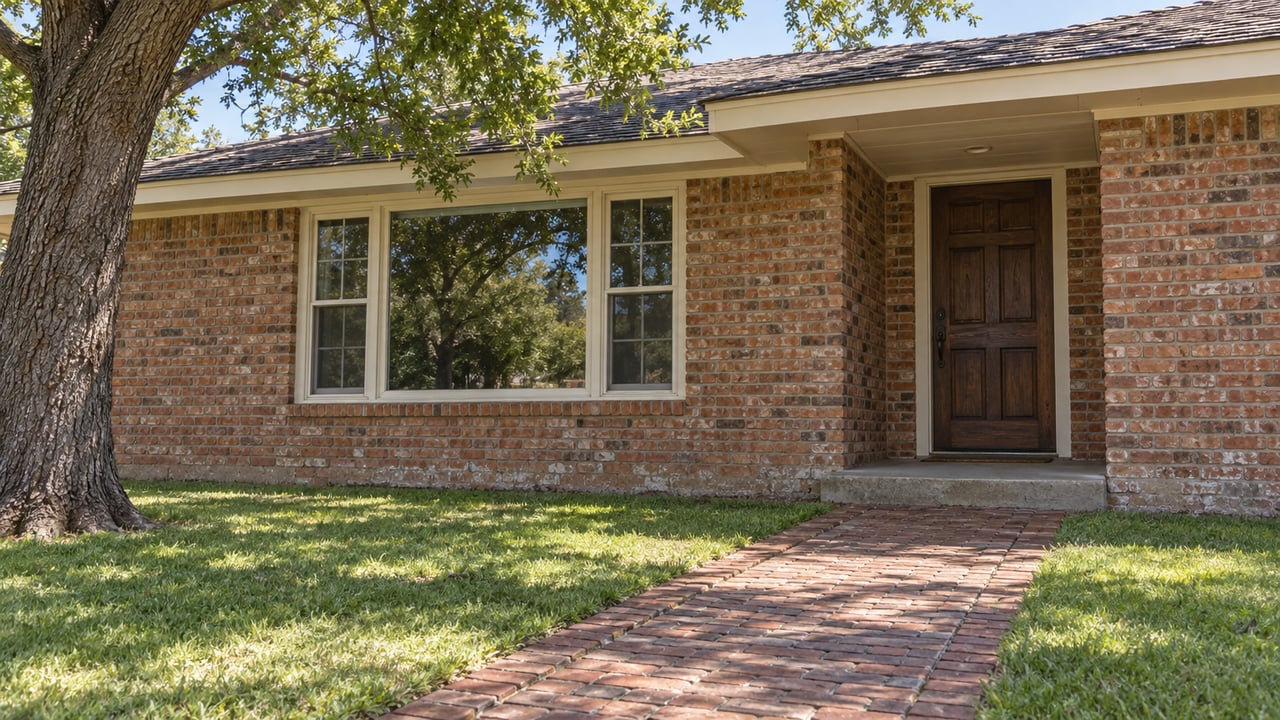
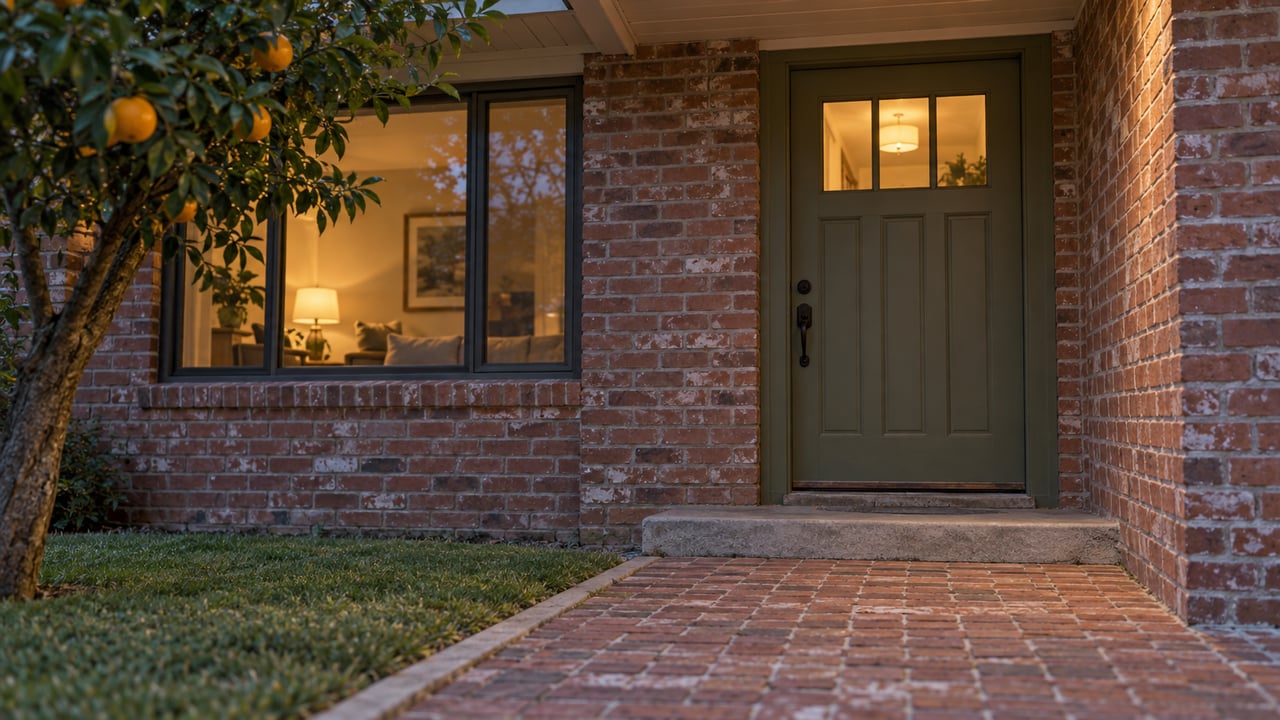
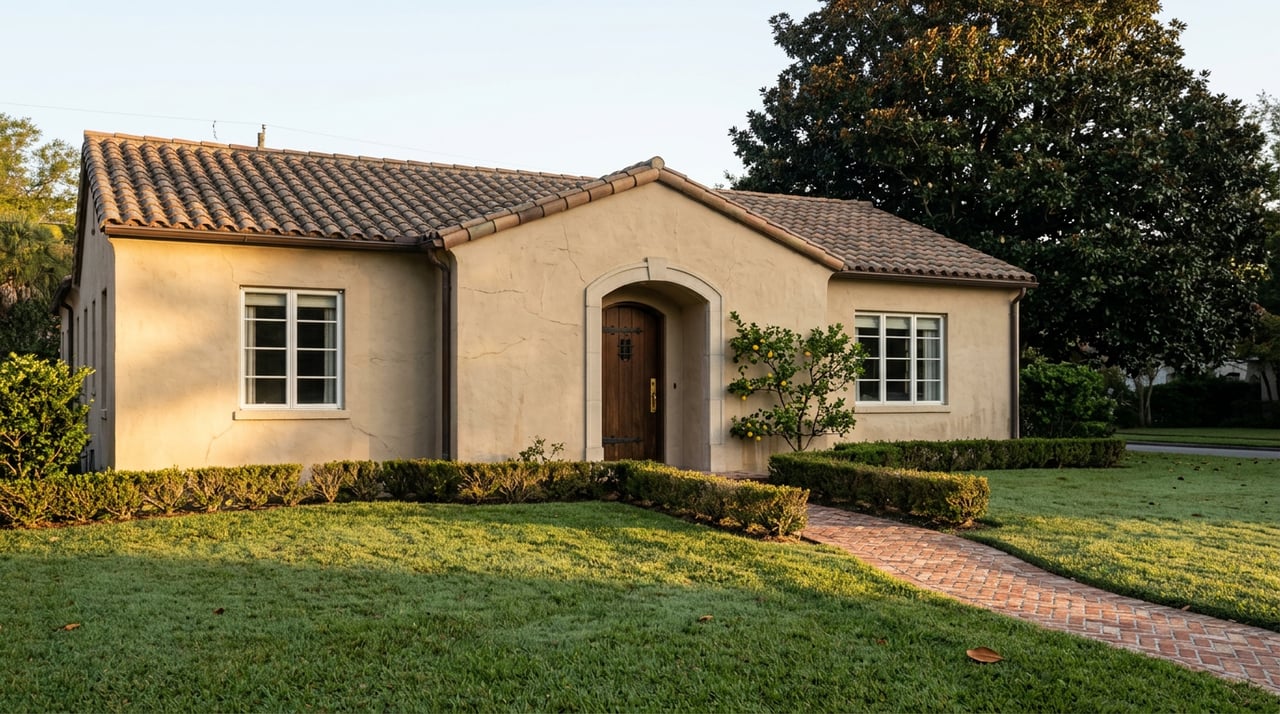
Start with the honest version of the cost side, because it is real. Homes inside a city-designated historic district in Phoenix, places like Willo, Coronado, Encanto-Palmcroft, F.Q. Story, and Ashland Place, are classified as either "contributing" or "non-contributing" to the district's historic character. A contributing home still reflects its original architectural style and falls under the Phoenix Historic Preservation Ordinance, administered by the city's Historic Preservation Office and the Historic Preservation Commission. Exterior work on a contributing property, from window replacement to a new roofing material, typically requires a Certificate of Appropriateness.
Simple repairs using historically appropriate materials, repointing mortar, repainting, fixing an original window, can often be approved administratively by staff without a hearing. Larger changes, additions, window replacements, roofing swaps, go before the full Historic Preservation Commission at a scheduled public meeting, with decisions typically taking four to eight weeks from application. That timeline is worth building into any renovation budget before closing, not after.
None of that is a myth. It is also not the whole picture.
The Trade Phoenix Actually Built Into the Deal
Arizona's State Historic Property Tax Reclassification program, administered jointly by the State Historic Preservation Office and county assessors, reduces the property tax assessment on qualifying owner-occupied homes by 35 to 45 percent. The exact figure depends on special assessments specific to the property's area. In exchange, the owner signs a fifteen-year agreement to maintain the property according to state and federal preservation standards, and any exterior work that would change the home's public appearance needs review before it happens.
That is the trade: accept the same kind of exterior oversight that scares buyers off, and the state cuts your tax bill by roughly a third to nearly half for the next decade and a half. The agreement travels with the house, not the original owner, so a buyer who purchases an already-enrolled property inherits the reduced rate. They just need to file a Change of Ownership Affidavit with the State Historic Preservation Office to stay in good standing.
There is a catch buyers frequently miss, and it is the kind of detail that only shows up once someone is deep enough into a transaction to ask the right question. City historic district designation and eligibility for the state tax program are not the same thing. The tax break requires the property to be listed on the National Register of Historic Places, either individually or as a contributing property within a National Register historic district. A home can sit inside one of Phoenix's local historic districts and still not qualify for the state reclassification if the district or the property itself was never separately listed on the National Register. Willo, for example, was added to the National Register in 1991, which is why its contributing homes are commonly enrolled. Confirming National Register status, not just local district status, is the step that determines whether this benefit is even on the table.
Here is the gap between what most buyers assume walking in and what the paperwork actually shows:
| What buyers assume | What the program actually does |
|---|---|
| Historic overlay means higher carrying costs | Qualifying owner-occupants can see property tax cut 35-45% for 15 years |
| City districts and tax breaks are the same thing | Only National Register listed properties qualify for the state tax program |
| The benefit disappears at resale | The reclassification stays with the property through a simple ownership affidavit |
| Preservation compliance is purely a cost center | The city separately funds matching grants toward the required exterior work |
The City Is Also Writing Checks
That last line is not theoretical. The City of Phoenix Historic Preservation Office runs an Exterior Rehabilitation Grant Program that reimburses eligible homeowners for approved exterior work on a 50/50 matching basis, up to $20,000 per project. In exchange, the owner sells the city a conservation easement protecting the historic character of the property's exterior. The 2026-27 application round opened this summer, with Phoenix City Council approving $200,000 from the General Fund for this fiscal year, supplemented by additional money from the 2023 voter-approved General Obligation Bond.
The prior round already shows the program at work. A scoring panel met on December 19, 2025, and Phoenix City Council approved the resulting awards at its February 18, 2026 meeting, 19 grants in total, worth $286,024.12 combined. The recipients are not abstractions. Justin Katz received $18,450 for stucco and wood window rehabilitation on a property on East Vernon Avenue in Ashland Place. Ashley Bourget was awarded $8,074.25 for roof repair and replacement on a main house and casita on West Windsor Avenue in Willo. Christine Keith received the maximum $20,000 to repair steel windows, including new glass, on a home on West Wilshire Drive in Encanto Vista. Erin Hunt and Aryeh Grossman were funded for foundation and exterior stucco repair on a property on West Coronado Road, also in Willo.
Those four projects sit inside three different historic districts, funded through the same city program, in the same council meeting, roughly six months before this was written. That is not a program buried in an old brochure. It is money moving on a normal city budget cycle, into the same exterior work the preservation ordinance requires anyway.
Where This Actually Changes the Math
Willo's own price trend shows why the tax side matters more as values climb. As of May 2026, the median home price in Willo stood at $790,000, with the trailing twelve-month median sale price at $780,000, up from the prior twelve-month period. Average sale price over that period was $738,615. A 35 to 45 percent cut to the property tax portion of carrying costs on a home in that price range is not a rounding error. It is a durable, multi-year reduction that a buyer choosing between a Willo bungalow and a similarly priced home in a non-historic Central Phoenix neighborhood should be running through their own numbers before they let the word "historic" push them toward the exit.
This is not a reason to buy a home you would not otherwise want. The preservation covenant is real, the review timeline is real, and homes that need major structural work will still need it regardless of tax status. What the research changes is the assumption itself. Buyers and their agents often price the historic designation as a cost without ever pricing the offsetting benefit, largely because the tax program and the grant program live on different government websites and neither one shows up on a standard listing sheet.
A Few Questions Worth Asking Before You Assume the Worst
Does buying a home already enrolled in the tax program mean instant savings? It means the reduced assessment carries forward once the required ownership paperwork is filed with the State Historic Preservation Office. It does not happen automatically at closing, so confirming enrollment status and filing the affidavit belongs on the closing checklist.
What if the home is in a historic district but was never separately listed on the National Register? Then the property likely does not qualify for the state tax reclassification, even though it may still fall under city design review. This is worth confirming with the county assessor or the State Historic Preservation Office before assuming the tax benefit applies, since city district status and National Register status are determined separately.
Weighing a historic-district property against a newer build in North Central Phoenix, Arcadia, or the Biltmore corridor involves more moving pieces than a comparable-sales printout can show. If you want someone who has actually read the council minutes and knows which streets in Willo, Coronado, and Encanto Vista carry National Register status, The Caniglia Group can walk through what a specific historic property would actually cost to own, not just to buy. Schedule a Free Consultation and bring your questions about the fine print.